Bay Area's Mobile Iron Infusion Experts
Mobile Iron Infusion Therapy in San Jose & the Bay Area
Restore iron levels with mobile iron infusion therapy delivered by licensed nurses to your home. Ideal for low iron, fatigue, iron deficiency, anemia support, and postpartum recovery.
Rated by 5/5 by 1,000+ trusted clients
What is Iron Infusion IV Therapy?
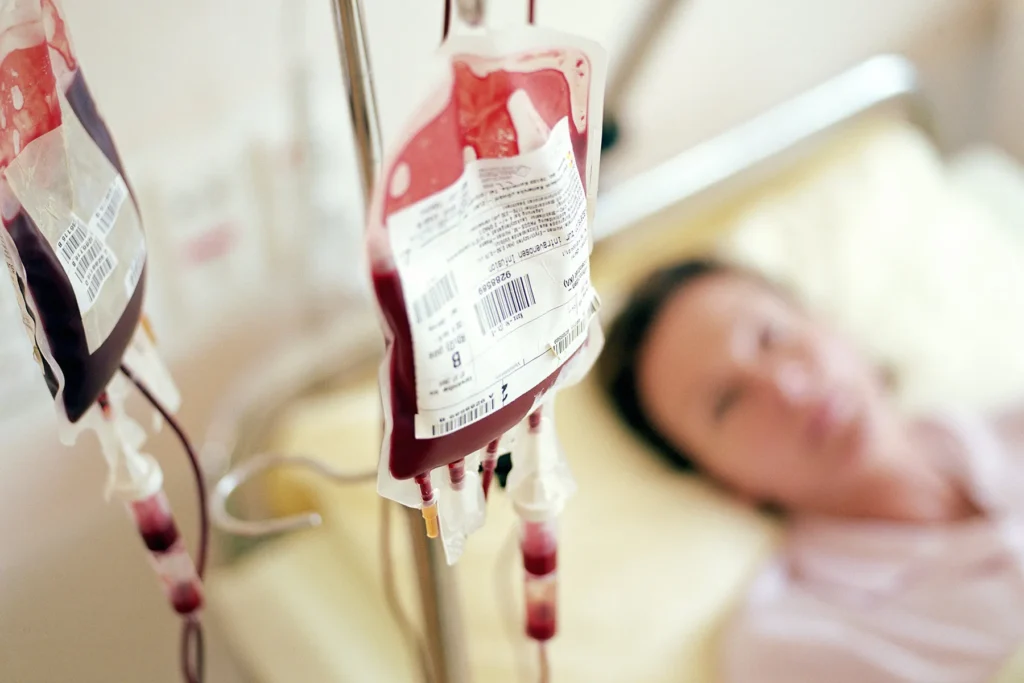
Iron infusion therapy delivers iron directly into the bloodstream for faster absorption than oral supplements. It is often recommended for people dealing with iron deficiency, low ferritin, anemia, fatigue, or poor response to iron pills. Mobile iron infusion therapy makes it possible to receive treatment from a licensed medical professional in the comfort of your home.
What's in Iron Infusion IV Drip :
-
Supports iron deficiency, low ferritin, and anemia treatment - Bypasses the digestive system, unlike oral iron supplements
- Nurse-delivered mobile iron infusion therapy at home
Book Your Iron Infusion IV Therapy – Fortify Your Body Today
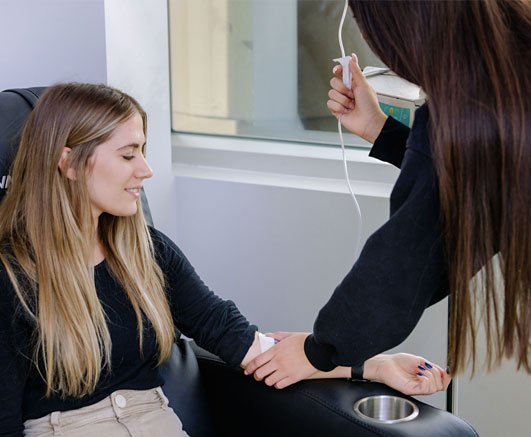
Mobile Iron Infusion Therapy for Fatigue and Low Iron
Feeling run down even with enough sleep and decent nutrition? Low iron can contribute to fatigue, weakness, and poor stamina. Iron Infusion IV Therapy provides a more direct option for supporting iron levels, energy, and recovery by bypassing the digestive system. Revival Hydration delivers mobile IV therapy for iron infusions to your home across the Bay Area for added comfort and convenience.
Top Benefits of Iron Infusion Therapy
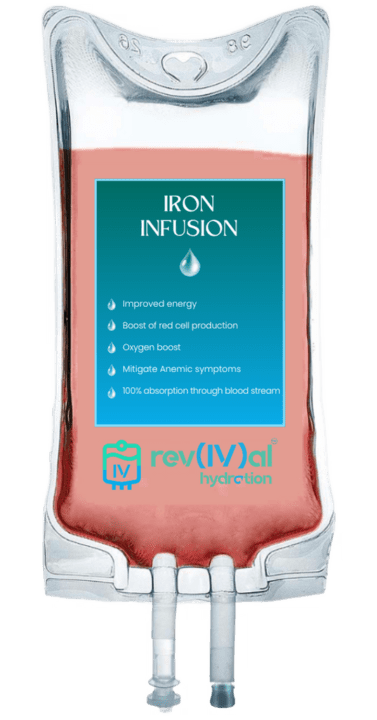
Iron infusion therapy does more than raise iron levels. It can help support energy, endurance, recovery, and relief from common low iron symptoms.
Who Should Consider Iron IV Infusions?
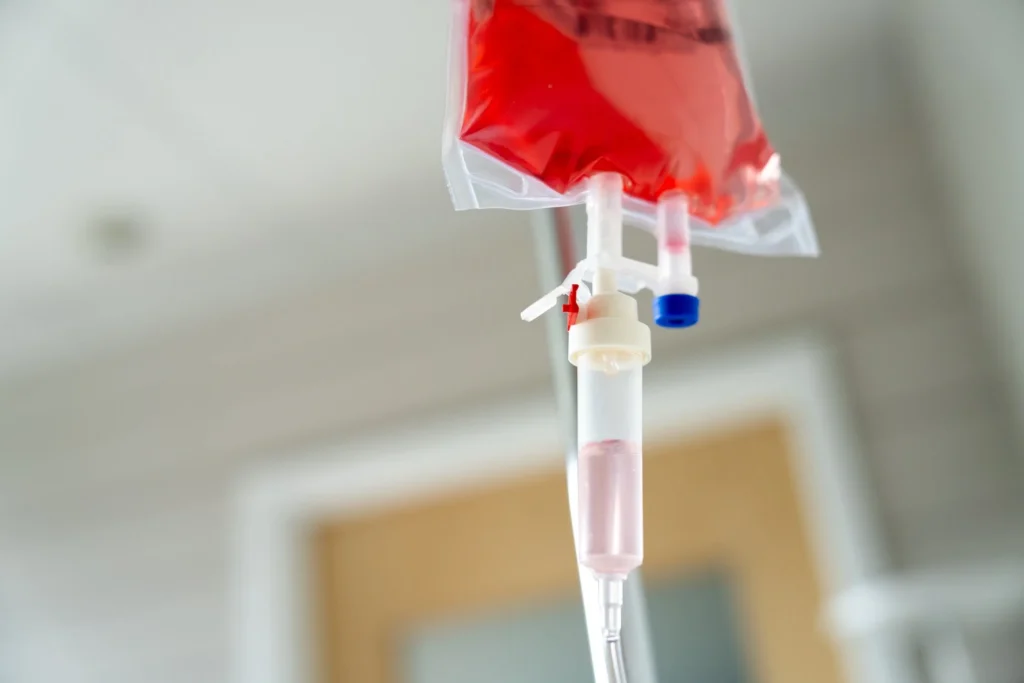
Iron Infusion IV Therapy may benefit people with low iron, low ferritin, iron deficiency anemia, or symptoms like fatigue, weakness, shortness of breath, and poor stamina. Whether you are recovering from childbirth, following a vegan diet, or dealing with chronic health conditions that affect absorption, Iron Infusion Therapy offers a more direct and convenient option for restoring iron levels and supporting overall wellness.
Who may benefit:
- Postpartum women and people with heavy menstrual cycles who need additional iron support.
- Vegans and vegetarians with lower dietary iron intake or absorption concerns.
- Active adults and athletes with increased iron demands and ongoing fatigue.
- People with GI conditions who struggle to absorb oral iron supplements.
Personalized Care: At Revival Hydration, we offer lab review support and personalized consultations to help determine whether iron infusion treatment is right for you. Book Now!
Why Choose Revival Hydration for Your Iron Infusion Therapy?
Revival Hydration provides personalized, nurse-delivered mobile iron infusion therapy across the Bay Area with a focus on convenience, comfort, and professional care.
Licensed Medical Professionals
Our licensed medical team provides safe, professional iron infusion therapy in the comfort of your home.
Trackable Results
Iron support can help improve energy, stamina, and low iron symptoms over time when treatment is medically appropriate.
Mobile Bay Area Service
We bring mobile iron infusion therapy to homes, hotels, and offices across the Bay Area for added convenience.
Personalized Care
Each treatment plan is based on your symptoms, health history, and iron support needs.
At-Home Iron Infusion Therapy Across the Bay Area
Revival Hydration provides mobile iron infusion therapy for people seeking convenient, professional care at home. Our licensed medical team delivers treatment across the Bay Area, making it easier to get support for low iron, fatigue, weakness, and recovery needs without visiting an infusion clinic.
Iron Infusion Pricing and Package Savings
We keep iron infusion pricing straightforward so you know exactly what to expect. Revival Hydration offers mobile iron infusion therapy across the Bay Area, with single-session pricing and discounts for group bookings and packages.
Single Iron Infusion Session: $550
-
A convenient option for people seeking professional mobile iron infusion therapy at home.
Available Savings:
- Pro tip: We also offer flexible membership plans, allowing you to tailor your wellness experience based on your needs and health goals.
- 10% off when two people book at the same location
- 10% off when booking through the Revival Hydration app for the first time
- 15% off for groups of 3 at the same location
- 20% off when booking a 5-session package
- Need ongoing support? Ask about package options for more flexible iron infusion care and long-term savings.
Bay Area Cities We Serve for Mobile Iron Infusion IV Therapy
Revival Hydration provides mobile iron infusion therapy across the San Francisco Bay Area, bringing professional care directly to your home, hotel, or office. We serve clients looking for convenient iron support without the hassle of traveling to an infusion clinic.
- San Jose
- Sunnyvale
- Palo Alto
- Los Gatos
- Fremont
- Atherton
- Campbell
- San Mateo
- Walnut Creek
- Morgan Hill
- Milpitas
- San Francisco
What Clients Say About Revival Hydration
EXCELLENTTrustindex verifies that the original source of the review is Google. Amazing services especially if you are someone who cares about proper recovery and wellbeing. The staff are very helpful and respectful too.Posted on GoogleTrustindex verifies that the original source of the review is Google. Got a myers IV at home in my apartment. I booked the same day. They were super fast and friendly, I highly recommend!Posted on GoogleTrustindex verifies that the original source of the review is Google. Brig gave me an IV drip for food poisoning. She was prompt and professional and I felt better immediately.Posted on GoogleTrustindex verifies that the original source of the review is Google. Got the hangover today in San Jose . Brig was super helpful and very helpful with all of my questionsPosted on GoogleTrustindex verifies that the original source of the review is Google. Had a great experience with Revival hydration at my home in Fremont. The nurses Brigitte and Cesar were excellent knew what they were doing, and it was a painless easy iron infusion procedure.Posted on GoogleTrustindex verifies that the original source of the review is Google. Hangover iv drip is the best!Posted on GoogleTrustindex verifies that the original source of the review is Google. Cesar came to my hotel in San Jose and gave me a Mayers cocktail and was absolutely wonderful and beyond helpful at helping determine what drip Would be best! Would highly recommend and will be using again before heading home!Posted on GoogleTrustindex verifies that the original source of the review is Google. Very nice nurses, fast service and helped me feel so much better! Ask for Abby and Cesar!Posted on GoogleTrustindex verifies that the original source of the review is Google. Great experience and super friendly! will try it again.Posted on GoogleTrustindex verifies that the original source of the review is Google. So there I was, curled up on the couch after a day of feeling absolutely wrecked from what I can only describe as a battle between my stomach and my will to live. After multiple trips to the bathroom, zero energy, and eventually admitting defeat, I booked an in-home IV. I’ll be honest—I was skeptical. But within an hour of treatment (fluids, Zofran, potassium, and vitamin C), I was sitting up, eating soup, and feeling like an actual human again. The nurse (Lindsay)was kind, professional, and reassuring at a time when I was feeling pretty miserable and more than a little anxious. Having someone come to my house meant I could stay comfortable, avoid an urgent care visit, and focus on resting. 10/10. Would much rather spend my day watching TV with an IV than trying to drag myself anywhere feeling that awful. Hopefully I won’t need them again anytime soon—but if I do, they’ll be my first call.
Iron Infusion Therapy FAQs: Everything You Need to Know
Yes. Recent ferritin and CBC labs are usually needed before treatment so the medical team can review whether iron infusion therapy is appropriate and safe.
Yes. Revival Hydration has a medical practitioner who reviews submitted labs and the medical intake form before scheduling to help determine whether mobile iron infusion therapy is appropriate.
Mobile iron infusion therapy may be a good option for people with low iron, low ferritin, iron deficiency anemia, postpartum depletion, fatigue related to low iron, or difficulty tolerating oral iron supplements.
Most at-home iron infusion appointments take about 45 to 60 minutes, depending on the treatment plan, setup, and monitoring needs.
Some clients notice improved energy and reduced fatigue within days, while others improve more gradually depending on their iron levels, symptoms, and overall health.
Yes. Revival Hydration offers iron infusion packages for clients who need more than one session. Package options can help support ongoing treatment plans when recommended based on labs, symptoms, and practitioner review.
Revival Hydration offers mobile iron infusion therapy across the Bay Area, bringing treatment to homes, hotels, and offices in select service areas including San Jose, Sunnyvale, Palo Alto, Fremont, Los Gatos, San Francisco, Campbell, Atherton, Los Altos, and nearby cities.
Stay hydrated, eat a light meal, and bring recent lab results. If you have medical conditions or allergies, let the provider know beforehand.
When medically appropriate and provided under professional supervision, mobile iron infusion therapy allows clients to receive treatment at home after screening, lab review, and practitioner approval.
Yes. Revival Hydration provides mobile iron infusion therapy across the Bay Area, including homes, hotels, and offices in select service areas.
Iron infusion therapy may be recommended for people with low ferritin, iron deficiency, or related symptoms when reviewed by a medical professional and supported by recent labs.
Iron infusion therapy may help support people dealing with fatigue, weakness, low stamina, shortness of breath, brain fog, and other symptoms related to low iron.
In many cases, recent lab work and a medical screening are required before treatment. Our medical team reviews each case individually to determine eligibility for mobile iron infusion therapy.
Iron infusions deliver iron directly into the bloodstream through an IV and are commonly used when oral supplements are not sufficient or appropriate. Treatment recommendations depend on your medical history and lab results.
Yes. Revival Hydration provides mobile iron infusion therapy throughout San Jose, Sunnyvale, Palo Alto, Los Gatos, Fremont, Santa Clara, San Francisco, and surrounding Bay Area communities.
Low iron levels may contribute to fatigue, weakness, reduced exercise tolerance, and other symptoms. A medical practitioner can review your labs and determine whether iron infusion therapy may be appropriate.
The amount of iron administered varies depending on your treatment plan, lab results, and practitioner recommendations. Your provider will determine the appropriate dosage before treatment.